
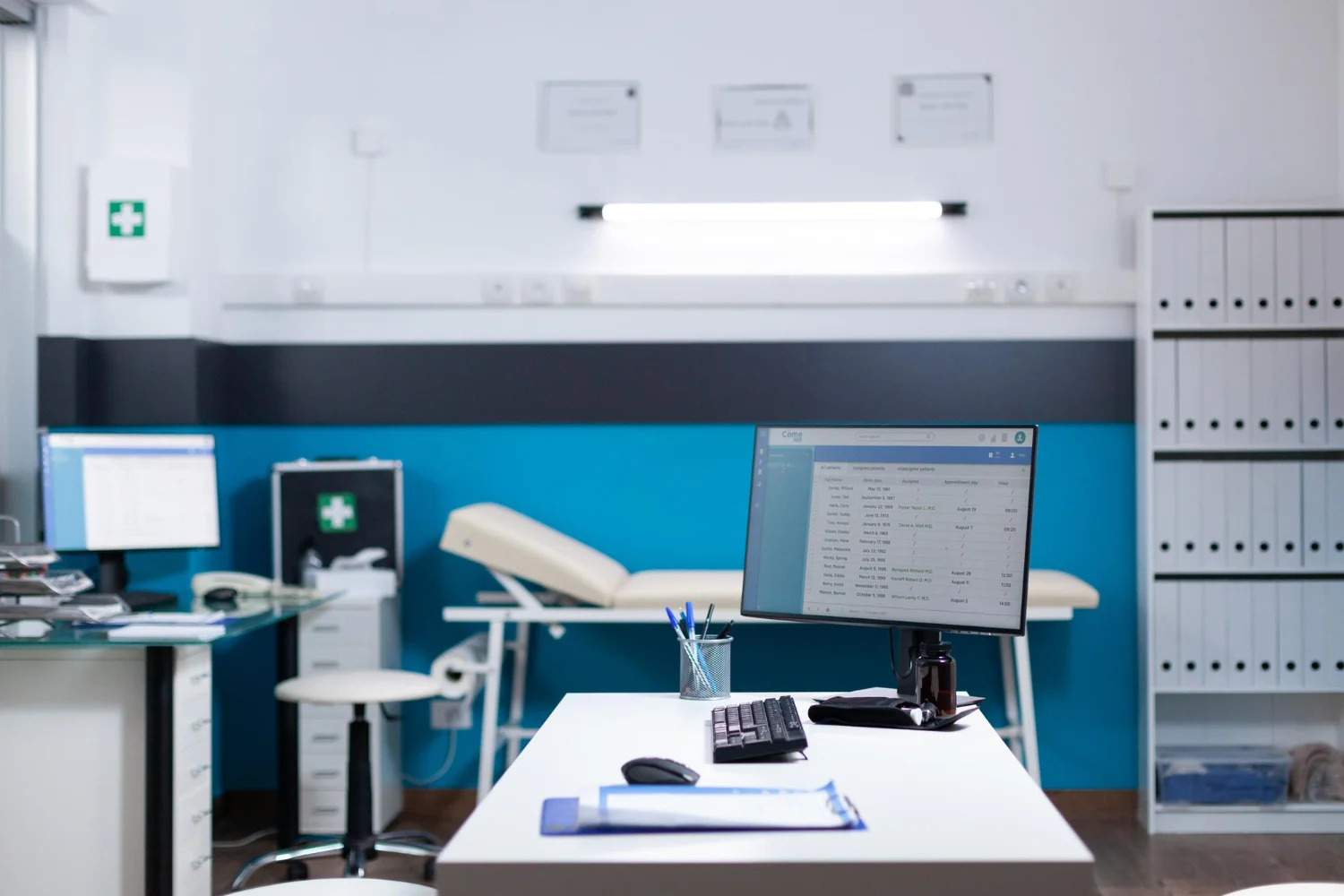
Taking care of your health means paying attention to changes in your body. While some symptoms may seem minor, others can be signs of an underlying gynecologic condition that deserves professional evaluation.
Many women delay scheduling an appointment because they assume their symptoms are “normal” or will go away on their own. However, early evaluation can help identify problems sooner and provide more treatment options.
At K. Payne M.D., Dr. Karroll Payne provides personalized women’s healthcare for patients throughout Lafayette, Louisiana, helping women understand their symptoms and receive care that fits their individual needs.
Why Regular Gynecologic Care Is Important
Routine gynecologic visits aren’t just for annual exams. They also provide an opportunity to discuss new symptoms, preventive screenings, reproductive health, and lifestyle changes that may affect your well-being.
A trusted OB/GYN can help diagnose and manage a wide range of conditions before they become more serious.
1. Heavy or Irregular Menstrual Bleeding
Every woman’s menstrual cycle is different, but significant changes shouldn’t be ignored.
You should schedule an appointment if you experience:
- Very heavy periods
- Bleeding between periods
- Periods lasting longer than usual
- Bleeding after menopause
- Extremely painful periods
- Irregular cycles that suddenly change
Abnormal bleeding may be caused by hormonal changes, uterine fibroids, polyps, thyroid conditions, or other gynecologic concerns.
2. Persistent Pelvic Pain
Pelvic pain isn’t always related to your menstrual cycle.
Pain that continues for several days or keeps returning may be linked to:
- Ovarian cysts
- Endometriosis
- Fibroids
- Pelvic infections
- Digestive or urinary conditions
A thorough evaluation can help determine the cause and guide appropriate treatment.
3. Unusual Vaginal Discharge
Changes in vaginal discharge are common, but some changes may indicate an infection or other medical condition.
Contact your healthcare provider if you notice:
- Strong odor
- Green, yellow, or gray discharge
- Thick, cottage cheese-like discharge
- Itching or burning
- Pain during urination
Prompt evaluation can help identify the cause and prevent complications.
4. Pain During Sexual Intercourse
Pain during intimacy is not something you should simply accept.
Possible causes include:
- Vaginal dryness
- Hormonal changes
- Infections
- Endometriosis
- Pelvic floor disorders
- Other gynecologic conditions
Discussing these symptoms with your provider can help identify treatment options that improve comfort and quality of life.
5. Menopause Symptoms Affecting Daily Life
Many women experience symptoms during perimenopause and menopause that interfere with sleep, work, and daily activities.
Common symptoms include:
- Hot flashes
- Night sweats
- Mood changes
- Sleep disturbances
- Vaginal dryness
- Low libido
Treatment is personalized and may include lifestyle recommendations, hormone therapy when appropriate, or non-hormonal options.
6. Concerns About Birth Control
Choosing the right birth control method is an important healthcare decision.
Whether you’re starting contraception for the first time or considering a different option, your OB/GYN can explain:
- Hormonal birth control
- Intrauterine devices (IUDs)
- Birth control implants
- Injections
- Vaginal rings
- Permanent contraception options
The best choice depends on your health history, lifestyle, and future family planning goals.
7. Difficulty Becoming Pregnant
If you’ve been trying to become pregnant without success, it may be time to schedule an evaluation.
Your healthcare provider can assess possible factors that may affect fertility, discuss your medical history, and recommend the next steps based on your individual situation.
8. Symptoms of PCOS
Polycystic Ovary Syndrome (PCOS) is one of the most common hormonal disorders affecting women of reproductive age.
Symptoms may include:
- Irregular periods
- Acne
- Excess facial or body hair
- Weight gain
- Difficulty conceiving
Early diagnosis can help improve symptom management and reduce long-term health risks.
9. You’re Due for Preventive Screenings
Even if you feel healthy, preventive care remains essential.
Routine visits may include:
- Wellness exams
- Pap smears
- Cervical cancer screening
- Breast health evaluations
- Health counseling
- Preventive recommendations based on age and medical history
These appointments provide an opportunity to detect potential health concerns before symptoms develop.
What to Expect During Your Appointment
Many women feel nervous before visiting a gynecologist, especially if it’s their first appointment or they’re experiencing new symptoms.
At K. Payne M.D., appointments are focused on creating a comfortable and respectful experience. During your visit, you can expect:
- A discussion about your health concerns and medical history
- Time to ask questions
- A personalized evaluation based on your symptoms
- Clear explanations of possible diagnoses and treatment options
- Recommendations for follow-up care, if needed
The goal is to help you feel informed and confident about your healthcare decisions.
Don’t Ignore Changes in Your Health
Your body often provides early signs when something isn’t right. Paying attention to changes and seeking medical advice promptly can help prevent complications and improve treatment outcomes.
Whether you’re experiencing pelvic pain, abnormal bleeding, menopause symptoms, or simply need your annual wellness exam, receiving timely gynecologic care is an important part of protecting your overall health.
Schedule an Appointment with K. Payne M.D.
Dr. Karroll Payne provides compassionate, personalized women’s healthcare for patients throughout Lafayette and the surrounding Acadiana area.
If you’re experiencing new symptoms or are due for a routine wellness visit, schedule an appointment to discuss your concerns and receive care tailored to your individual needs.
Frequently Asked Questions
How often should I see a gynecologist?
Most women should have a wellness visit once a year, although your provider may recommend a different schedule based on your health history and individual needs.
Should I see a gynecologist if my periods suddenly change?
Yes. Significant changes in your menstrual cycle, including heavy bleeding, irregular periods, or bleeding after menopause, should be evaluated.
Is pelvic pain always a sign of a serious condition?
Not necessarily. Pelvic pain can have many causes, ranging from temporary issues to chronic conditions. A medical evaluation can help determine the cause.
Can menopause symptoms be treated?
Yes. Many treatment options are available, including lifestyle changes, hormone therapy for appropriate candidates, and non-hormonal therapies.
What if I don’t have symptoms?
Even if you feel well, regular wellness exams and recommended screenings are an important part of maintaining your long-term health.